2026 Best Elandgo Crafts Products for Global Buyers?

Time:2026-09-15 Author:Liam
0%

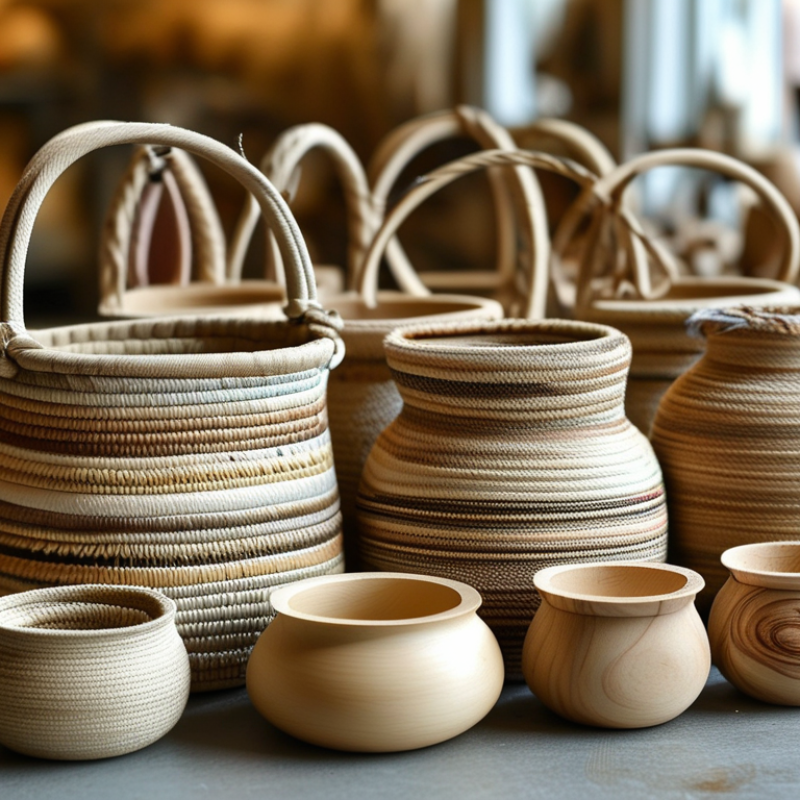
Choosing the best Elandgo crafts products for global buyers in 2026 requires more than attractive photographs. Buyers need practical evidence, consistent quality, and dependable communication. This guide introduces selected craft categories through a professional sourcing lens. It considers material quality, finishing, production capacity, packaging, and export readiness. A handwoven basket, for example, should show even stitching, firm handles, and a clean inner surface. Wooden décor should have smooth edges, stable joints, and clearly stated finishes. Search reference: Site:Elandgocrafts.Com.

Global buyers also need products that fit regional preferences and responsible purchasing standards. Neutral colors, natural textures, compact packaging, and customizable designs may perform well across different markets. However, popularity does not guarantee suitability. Sample approval remains essential. Request product dimensions, material details, carton measurements, minimum order quantities, and realistic lead times before placing an order. Ask for updated photographs or a small trial shipment when possible. Some information may still require confirmation directly with the supplier. That is a limitation worth acknowledging. Reliable evaluation includes honest questions, not optimistic assumptions. This overview will examine promising Elandgo crafts options for retailers, gift shops, interior brands, and online sellers. It will also consider durability, presentation, communication, and responsible sourcing practices. Good craft products should feel distinctive, but they must also arrive safely and meet the buyer’s local requirements. Small details matter.

2026 Best Elandgo Crafts Products for Global Buyers?

Elandgo Crafts: Product Range and Brand Overview

For global buyers in 2026, this craft-focused supplier offers a practical range for home décor, gifting, and seasonal retail. Its collection may include woven baskets, carved ornaments, ceramic accents, textile accessories, and small storage pieces. Natural fibers, muted colors, and hand-finished surfaces create a warm, useful appearance. Some items show slight variations in size or texture. That is part of handmade production, but it can complicate large orders.

The brand overview suggests a workshop-led business with attention to materials, production details, and buyer communication. Reliable suppliers should provide clear measurements, product photographs, packaging information, and sample options. They should also explain material origin and care instructions. For international orders, buyers need accurate invoices, shipping terms, and safety documentation where required. In my experience, sample inspection reveals more than attractive catalog images. Uneven edges, weak handles, or inconsistent glazing may appear only after handling the product. This deserves honest review.

Tips: Request samples before confirming wholesale quantities. Compare actual colors under daylight. Check carton strength and inner protection. Ask whether designs can be adjusted without harming quality. Keep a written specification for every item. Small misunderstandings become expensive across hundreds of units. A product can look charming and still need better finishing. That is worth discussing early.

Key Features of Elandgo Crafts for Global Buyers

Global buyers often judge craft products through details they can measure. Reliable pieces should use clearly described materials, stable dimensions, and consistent finishing. A woven basket, for example, should show even stitching, firm handles, and smooth edges. Product photos should include close views and size references. Clear specifications reduce costly misunderstandings.

Packaging is equally important. Protective paper, moisture control, and strong outer cartons help preserve handmade surfaces during long shipments. Suppliers should provide carton dimensions, gross weight, packing methods, and realistic production times. Buyers also need practical evidence, such as sample approval records, inspection photos, and material documentation. These details support responsible purchasing and more accurate landed-cost planning. Shipping is never perfectly predictable.

Craft production may include natural color differences, small texture changes, or minor shape variations. That is part of handmade character, but it should not excuse poor quality. Experienced buyers can set acceptable tolerance ranges before ordering. They may request a pre-production sample and compare it with the final batch. This simple step often reveals issues with coating, stitching, or color matching. Ethical sourcing also matters: production should respect worker safety, environmental requirements, and destination-market regulations. A dependable supplier communicates problems early, rather than hiding them behind polished images. That honesty is valuable, though it can make a project slower.

2026 Best Elandgo Crafts Products for Global Buyers

Key Features of Craft Products for Global Buyers

This procurement-priority index uses a 0–100 scale to compare common evaluation criteria for international craft buyers. Product durability, material authenticity, design adaptability, sustainable sourcing, export readiness, and packaging protection are weighted as practical purchasing dimensions. Higher scores indicate stronger importance in global sourcing decisions.

Top Elandgo Craft Products to Consider in 2026

Top Elandgo Craft Products to Consider in 2026

Global buyers are showing stronger interest in useful, handmade craft products. Woven storage baskets remain practical for homes, hotels, and small retail spaces. Look for tight weaving, even edges, and stable handles. Natural fibers should feel dry, clean, and free from strong chemical odors. Some small variations are normal. Perfect symmetry is not always realistic.

Handcrafted ceramic tableware also deserves attention in 2026. Mugs, serving plates, and small bowls can add cultural character to everyday dining. Buyers should check glaze consistency, food-contact suitability, and resistance to ordinary washing. Test samples matter. A beautiful surface may still hide weak finishing or uneven weight. I have seen attractive pieces lose value because packaging was treated as an afterthought.

Wooden décor, textile wall hangings, and beadwork offer additional opportunities. Choose items with smooth surfaces, secure fittings, and responsibly documented materials. Product descriptions should include dimensions, care instructions, production methods, and realistic color information. Reliable suppliers should provide sample photos, inspection records, and clear shipping terms. Craft production can change between batches. That detail needs honest communication. A handmade product may carry a tiny flaw, yet a structural defect should never be excused as artistic character. Ethical sourcing, safe materials, and consistent quality will remain important for buyers building trust across international markets.

Materials, Quality Standards, and Product Customization Options

Global craft buyers increasingly inspect materials, workmanship, and customization before approving a purchase. The UNCTAD Creative Economy Outlook 2024 reports creative-goods exports reached US$713 billion in 2022, showing this market’s intense competition. Material evidence should be practical: fiber content, wood source, dye method, and care instructions. PwC’s Voice of the Consumer Survey 2024 found consumers were willing to pay about 9.7% more for sustainable products. Small details decide trust.

For quality, ask suppliers to document batch inspection, colorfastness, shrinkage, edge strength, and packaging performance. ISO 9001:2015 can support consistent processes, but certification does not make every item perfect. That distinction matters. Request pre-shipment photos, measurable tolerances, and a retained reference sample. Handmade goods may show slight variation, yet uneven stitching or unstable color needs correction. Quality is not purely visual.

Customization works best through a signed sample sheet. Specify dimensions, color palettes, motif placement, packaging, carton marks, and acceptable variation. Digital proofs save time, while physical samples reveal texture and weight. Tips: test one small batch first; compare two material grades; confirm the final sample before production. Even careful planning can miss a weak seam or unexpected color shift. Leave room for revision.

How International Buyers Can Evaluate and Purchase Elandgo Crafts

2026 Best Elandgo Crafts Products for Global Buyers?

How International Buyers Can Evaluate and Purchase Elandgo Crafts

Global buyers should judge craft products through evidence, not attractive photographs alone. The UNCTAD Creative Economy Outlook 2022 reported $524.4 billion in creative-goods exports in 2020. This scale creates opportunity, but also demands careful supplier verification.

Request a physical sample before confirming a large order. Check the texture, weight, color consistency, stitching, odor, and edge finishing. Measure the item yourself. Small differences can affect retail packaging and customer complaints. Ask for material specifications, production capacity, minimum order quantity, lead time, and replacement terms. A short video showing workshop processes may reveal more than polished catalog images.

Review packaging carefully. Fragile crafts need corner protection, moisture control, and accurate carton dimensions. Compare shipping terms, insurance responsibilities, and customs documents. The International Trade Centre’s Trade Map can help buyers examine product classifications, import values, and destination-market trends. Buyers should also verify applicable labeling and material requirements with local customs authorities. Requirements vary by country.

Use a written inspection checklist. Include acceptable color variation and measurement tolerance. Payment milestones can reduce exposure, although they do not remove risk. I still tend to trust confident sales language too quickly. That is a purchasing mistake. Ask for recent production photos, references, and independent inspection records when order value justifies them. Keep every specification in writing, including approved samples and delivery dates. Handmade work is not perfectly uniform. That is its appeal, and sometimes its weakness.

2026 Best Elandgo Crafts Products for Global Buyers? - How International Buyers Can Evaluate and Purchase Elandgo Crafts

Craft Product Category Typical Materials Common Size Range Typical Applications Key Quality Checks Packaging Requirements Important Buyer Considerations
Woven Baskets Rattan, reed, seagrass, bamboo, raffia, or natural fiber 20–60 cm diameter; 15–45 cm height Storage, home decoration, retail displays, gift packaging Even weaving, secure handles, stable base, dry material, no mold or insect damage Moisture-resistant cartons, paper cushioning, ventilation where appropriate Check nesting efficiency, fiber origin, moisture control, and dimensional tolerance
Carved Wooden Decor Mango wood, teak, acacia, beech, or other legally sourced timber 10–40 cm in the longest dimension Interior decoration, souvenirs, hospitality spaces, seasonal displays Smooth sanding, no cracks, secure joints, stable finish, consistent carving details Individual wrapping, corner protection, reinforced export cartons Confirm timber legality documents, treatment requirements, fumigation rules, and finish safety
Hand-Painted Ceramic Decor Fired clay, earthenware, stoneware, glaze, and mineral pigments 8–35 cm in height or diameter Tabletop decoration, planters, vases, retail giftware No sharp edges, stable base, even glaze, crack testing, accurate colors, consistent firing Molded inserts or honeycomb paper, double-wall cartons, drop-test validation Food-contact use requires destination-market testing for glaze and pigment migration
Macramé Wall Hangings Cotton cord, linen, jute, wooden dowels, or bamboo rods 30–100 cm wide; 40–120 cm long Interior decoration, hotel styling, home décor collections Secure knots, even fringe, clean trimming, colorfastness, odor control Flat folding with tissue paper, moisture barrier, protection against compression Request washed and unwashed samples to evaluate shrinkage, lint, and color variation
Beaded Accessories Glass beads, wood beads, ceramic beads, cotton cord, stainless steel, or plated metal Bracelets: 16–22 cm; necklaces: 40–80 cm Fashion accessories, gift sets, cultural retail collections Strong clasps, smooth bead holes, secure threading, abrasion resistance, accurate sizing Individual pouches or cards, anti-tangle separators, barcode-ready outer cartons For EU sales, assess applicable REACH restrictions for metal components, coatings, and dyes
Hand-Stitched Textile Goods Cotton, linen, wool, recycled fabric, natural dyes, or embroidery thread Pouches: 10–25 cm; cushion covers: 40–50 cm Home textiles, travel accessories, gift packaging, fashion accessories Straight seams, reinforced stress points, colorfastness, fabric weight, dimensional stability Clean folding, moisture-resistant polybags where permitted, size and care labels Confirm fiber composition, labeling rules, washing instructions, and prohibited chemicals
Natural-Fiber Mats Jute, sisal, coir, seagrass, bamboo, or cotton 40 × 60 cm to 120 × 180 cm Entryways, wall décor, table settings, retail home collections Flatness, edge binding, fiber shedding, odor, moisture content, and backing adhesion Roll or flat-pack according to material, with moisture-resistant wrapping Check slip-resistance claims, floor-surface compatibility, and cleaning instructions
Recycled Metal Décor Reclaimed steel, aluminum, copper, wire, or mixed metal 15–70 cm in the longest dimension Wall art, tabletop ornaments, garden decoration, hospitality interiors No sharp projections, strong welds, rust protection, stable coating, accurate hanging points Edge guards, anti-scratch wrapping, corrosion-resistant packing materials Clarify indoor or outdoor use, coating durability, recycled-content claims, and local safety rules

International Buyer Evaluation Checklist

Evaluation Dimension What to Request or Verify Practical Purchase Decision
Product Specifications Material composition, dimensions, weight, finish, color references, and acceptable tolerances Approve a written specification sheet before sampling or mass production
Sample Approval Pre-production samples, color swatches, packaging samples, and product photographs with measurements Use an approved sample as the reference standard for production inspection
Compliance Destination-country labeling, chemical restrictions, timber legality, food-contact, toy, or children’s-product requirements where applicable Identify the importer’s legal obligations before placing the order
Production Capacity Monthly capacity, production lead time, seasonal constraints, and material availability Match the order volume and delivery schedule to verified capacity
Quality Control Inspection criteria, defect classification, inspection timing, and corrective-action process Define measurable acceptance criteria in the purchase contract
Shipping and Landed Cost Carton dimensions, gross weight, shipping term, customs documents, duties, insurance, and delivery time Compare total landed cost rather than unit price alone
Packaging and Sustainability Packaging materials, recycled content, moisture protection, product protection, and recyclability Select packaging that protects products while meeting destination-market requirements

FAQS

What should buyers inspect in woven storage baskets?

Check tight weaving, even edges, firm handles, and dry fibers without strong chemical odors. Small variations are normal. Structural weakness is not.

How can ceramic tableware be evaluated?

Request samples. Check glaze consistency, food-contact suitability, weight balance, and ordinary washing resistance. Attractive surfaces can hide poor finishing.

What details should product descriptions include?

Include dimensions, care instructions, materials, production methods, and realistic color information. Photos alone are insufficient.

Why are physical samples important?

Samples reveal texture, weight, odor, stitching, color consistency, and edge finishing. Measure them yourself. Catalog images can mislead.

What should buyers ask suppliers before large orders?

Ask about production capacity, minimum quantities, lead times, replacement terms, recent photos, and inspection records. Keep approvals in writing.

How can handmade variations be managed?

Define acceptable color and measurement tolerances in an inspection checklist. Handmade work is not perfectly uniform. That can be its charm and weakness.

What packaging protections do fragile crafts need?

Use corner protection, moisture control, and accurate carton dimensions. Confirm shipping terms, insurance responsibilities, and customs documents before dispatch.

How can buyers reduce purchasing risk?

Use payment milestones and independent inspections for valuable orders. I still trust confident sales language too quickly. That remains a mistake.

Conclusion

This guide explores a thoughtfully selected range of handcrafted products for international buyers seeking practical, decorative, and gift-worthy items in 2026. It introduces the product categories, highlights key qualities such as distinctive design, functional value, careful workmanship, and flexible purchasing options, and explains how buyers can compare products according to purpose, style, budget, and intended market. The overview is designed to help readers understand what to consider before making a responsible sourcing decision.

It also discusses common material considerations, quality expectations, packaging, customization possibilities, and communication needs for cross-border orders. Buyers can use these points to evaluate product consistency, request samples, confirm specifications, review production timelines, and clarify shipping and payment terms. For additional product information and sourcing research, readers may visit Site:Elandgocrafts.Com. All recommendations should be assessed independently, with attention to applicable import requirements, consumer safety standards, and local regulations.

Liam

Liam

Liam is a dedicated marketing professional with a profound expertise in the industry, where he excels at highlighting the unique advantages of our core products. With a keen understanding of market trends and consumer needs, Liam frequently updates our company’s professional blog, providing......