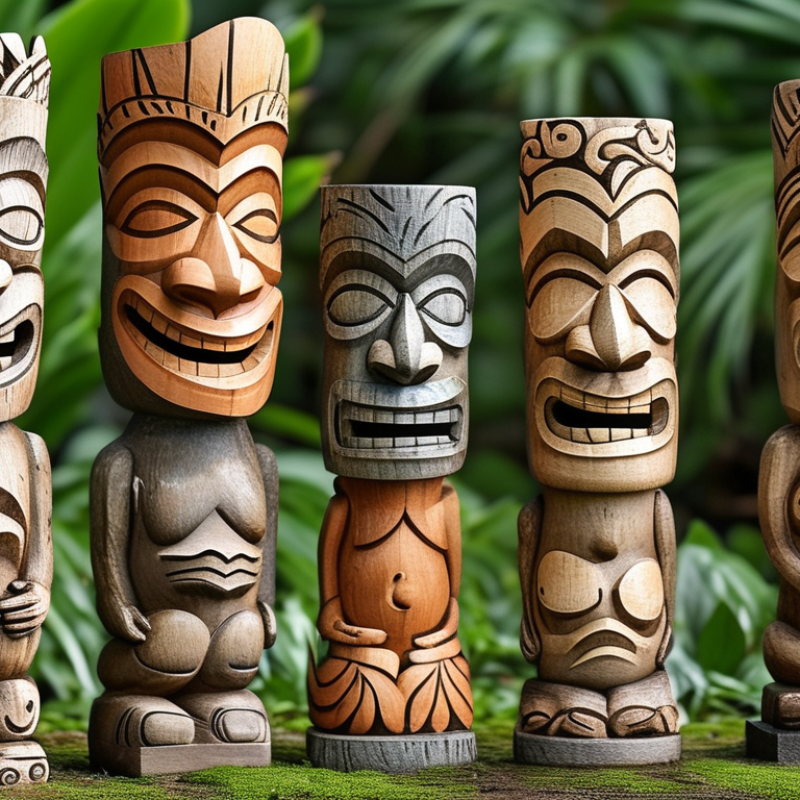
Choosing the right Tiki Garden Statue can transform your outdoor space into a tropical oasis. Expert designer, Lily Carter, emphasizes, “A Tiki Garden Statue should evoke joy and invite warmth.” Her insights reflect the importance of selecting pieces that resonate with your personality.
When considering a Tiki Garden Statue, think about scale and material. A large statue can serve as a focal point, while smaller ones can complement your garden's design. Be mindful of colors and craftsmanship, as these elements express your unique style.
An invitation to reflect is crucial. Are you drawn to playful designs or more traditional motifs? Sometimes, a statue might not align with your initial vision. Take your time to explore options. Engaging with your space through deliberate choices enriches the overall experience. Your Tiki Garden Statue should not just occupy space; it should enhance it.
Understanding the Cultural Significance of Tiki Garden Statues
Tiki garden statues hold deep cultural significance, rooted in Polynesian traditions. These figures often represent deities or ancestors, serving as protectors. They symbolize a connection to spirituality and the natural world. Many people enjoy incorporating these figures into their gardens to create a welcoming atmosphere.
When selecting a Tiki statue, consider its meaning. Research its origins to ensure it resonates with your space. A statue depicting a specific god may inspire harmony in your garden. You want a piece that speaks to your values and complements your aesthetic.
Tips: Choose materials that weather well outdoors. Wood and stone are traditional, yet durable options. Ensure the size suits your garden scale — larger spaces can accommodate bigger statues, while smaller gardens may benefit from more delicate pieces. Lighting can enhance your Tiki statue, highlighting its details at night.
Assessing Your Outdoor Space: Size, Style, and Theme Alignment
Choosing the right tiki garden statue requires careful consideration of your outdoor space. Start by assessing the size of your garden or patio area. A large, bold statue may overwhelm a small space, while a tiny piece could get lost in a sprawling yard. According to the American Society of Landscape Architects, proper scale enhances the overall aesthetics of outdoor spaces. Statues should match the size of adjacent plants and furniture.
Next, consider the style that resonates with you. Tiki statues often evoke tropical vibes, but within that, there are many options. Some may prefer traditional designs with intricate carvings, while others might lean toward more modern interpretations. A study by the Garden Design Magazine found that 68% of homeowners choose garden accessories based on their existing landscape style. Reflecting on your landscape's characteristics can lead to better harmony.
Finally, think about alignment with your theme. If your garden has a coastal feel, choose a tiki statue that complements this ambiance. For quirky gardens, a playful statue might suit better. However, it is essential to recognize that what seems perfect today might not resonate in the future. Trends shift, and tastes evolve. As you develop your outdoor space, reflection on your choices is vital in ensuring a lasting appeal.
Materials and Durability: Choosing the Right Tiki Statue for Your Climate
When selecting a tiki garden statue, consider the materials and durability that suit your climate. Tropical settings may benefit from materials like polyresin or fiberglass, which resist moisture and UV rays. However, natural materials like wood can warp or fade in harsh weather. Think about how long you want the statue to last. Some materials are built for outdoor exposure while others are not.
Tips: If you live in an area with extreme seasons, opt for a well-sealed stone statue. This choice provides longevity against rain, snow, and sun. Regular maintenance, like cleaning and applying protective sealants, keeps it looking fresh.
Don’t overlook weight. Lighter statues may tip over in strong winds, while heavier ones offer stability. If aesthetics matter, consider a statue that matches your garden's theme. Reflect on your choices; sometimes, the ideal statue isn't just about looks but also practicality. Make sure to choose wisely for lasting enjoyment.
How to Choose the Perfect Tiki Garden Statue for Your Space? - Materials and Durability: Choosing the Right Tiki Statue for Your Climate
| Material |
Durability |
Best Climate |
Weight (lbs) |
Price Range ($) |
| Wood |
Moderate |
Temperate |
25 |
50 - 150 |
| Resin |
High |
All Climates |
15 |
30 - 80 |
| Ceramic |
Low |
Dry Climates |
10 |
20 - 70 |
| Fiberglass |
Very High |
All Climates |
20 |
100 - 300 |
Design Trends: Popular Styles and Their Visual Impact on Landscaping
When designing a garden, incorporating a tiki statue can add charm.
Popular styles range from traditional to abstract. Each style influences
the overall feel of your outdoor space.
Traditional tiki statues often feature Polynesian designs. They convey
a sense of heritage and warmth. Abstract styles may bring a modern
twist. They can be playful or sophisticated, depending on the shapes
and colors used.
Color choices also impact visual appeal. Bright hues attract attention,
while earthy tones blend in. Reflect on your existing landscape before
making a decision. An ill-fitting statue can disrupt harmony. Balance
is key. Testing different placements in your garden can help you
find the perfect spot.
Budgeting for Your Tiki Garden Statue: Costs and Investment Considerations
When budgeting for a tiki garden statue, understanding costs is crucial. Prices can range widely, from $50 for small resin figures to several hundred dollars for handcrafted stone pieces. According to industry reports, the average homeowner spends around $150 on garden décor. This means successful budgeting must factor in more than just the initial purchase price.
Tips: Consider shopping during off-peak seasons. Discounts can be significant during sales events. This practice can help maximize your budget without sacrificing quality.
Additionally, consider the long-term investment. High-quality statues last longer and withstand various weather conditions. Cheaper options may save you money upfront, but they often require replacements. Statistics indicate that investing in durable items can save up to 30% in replacement costs over time.
Placement and scale are also essential. A large statue in a small garden can overwhelm the space. Balance is key to maintaining an enjoyable aesthetic. Take measurements and visualize how the statue will complement your existing décor. It's essential to avoid impulsive decisions based solely on price. Reflection on your space will yield a more harmonious garden environment.
FAQS
: Tiki statues represent deities, ancestors, and offer spiritual connections. They symbolize protection and harmony with nature.
Research its meaning and origins. Choose one that resonates with your values and complements your garden's aesthetic.
Wood and stone are traditional, durable options. They weather well outdoors and maintain their look over time.
Measure your garden space. Large statues suit bigger areas, while smaller pieces fit better in compact gardens.
There are traditional, intricate designs and more modern interpretations. Choose one that echoes your garden's style.
Ensure the statue aligns with your garden's theme. A mismatched piece can disrupt the intended vibe of your space.
Prices range from $50 for small items to several hundred for handcrafted pieces. Average spending is around $150.
Shop during off-peak seasons. Discounts during sales events help stretch your budget without compromising quality.
High-quality statues last longer and save on replacement costs. Cheaper options may require frequent replacements, increasing expenses.
A statue's size and placement need balance. An oversized statue in a small garden can feel overwhelming and disrupt harmony.
Conclusion
Choosing the perfect Tiki Garden Statue involves understanding its cultural significance, which adds depth and personality to your outdoor space. First, assess your outdoor area by considering the size, style, and overall theme alignment of the statue with your landscape. This ensures a harmonious fit that enhances your garden's aesthetic.
When selecting a Tiki Garden Statue, consider the materials used and their durability to withstand local climate conditions. Additionally, familiarize yourself with current design trends, as popular styles can significantly impact the visual appeal of your landscaping. Finally, budgeting is crucial, as costs can vary widely based on materials and craftsmanship, ensuring you make a thoughtful investment for your garden enhancement.