
Choosing the right Resin Garden Fountains can transform an ordinary patio into a calming outdoor retreat. Water movement, surface texture, and placement all influence the final atmosphere. A small fountain may suit a balcony, while a larger model can anchor a broad lawn.
Material quality deserves careful attention. Good resin should feel solid, resist cracking, and maintain its finish through changing weather. Look for UV-resistant coatings, sealed basins, and reliable pump access. These details often matter more than decorative color. Some designs appear attractive online but feel surprisingly light or unstable in person.
Measure the space before choosing a fountain. Leave enough room for cleaning, refilling, and electrical access. A level surface also helps the pump run quietly. Read manufacturer specifications and confirm replacement pump availability. Trusted retailers should provide clear dimensions, care instructions, and warranty information.
Small details matter.
Noise is another practical consideration. A gentle trickle can soften traffic sounds, but a weak pump may create uneven splashing. Personal experience suggests testing water flow whenever possible. Still, preferences differ, and no single fountain suits every garden. Maintenance also requires honesty. Resin is convenient, but it is not maintenance-free. Leaves, algae, mineral buildup, and winter freezing can shorten its service life. This guide compares style, durability, safety, pump performance, and upkeep. It aims to support a sensible purchase, not promote the most expensive option. The best choice is the fountain that fits the space, budget, climate, and willingness to maintain it.
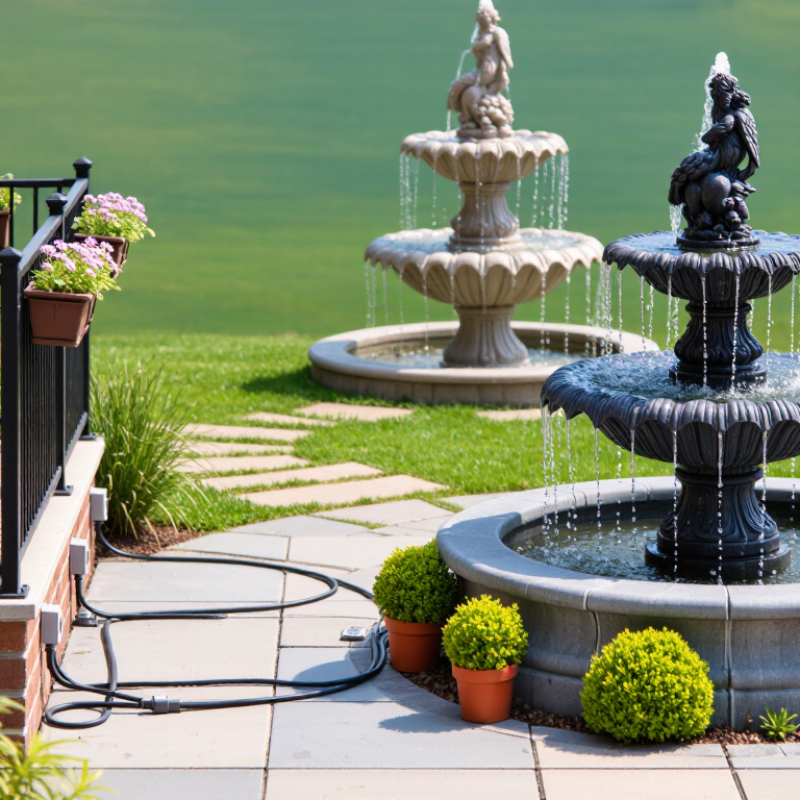
Understanding resin garden fountain types and designs makes selection easier. Molded resin fountains are lightweight and simple to move. They often imitate stone, wood, or ceramic finishes with convincing textures. Tiered designs create a stronger water sound, while bowl fountains produce a softer, calmer effect. Wall-mounted models save floor space and suit narrow patios. Tabletop fountains work well on balconies, shelves, or small courtyards.
Look closely at the basin depth and pump access. A shallow basin may need frequent refilling during hot weather. Choose a design with protected wiring and stable feet. Experienced gardeners also check whether replacement pumps are easy to find. Resin handles outdoor moisture well, but prolonged sunlight can fade some finishes. A shaded position may preserve its color. I once preferred an ornate fountain, but its small basin became inconvenient. Practical beauty matters.
Tips: Match the fountain to your space before choosing its style. Measure the area carefully. Keep the pump submerged, and remove leaves weekly. Test the water sound from several steps away. It may seem louder than expected. Reflect on maintenance, too; a beautiful design is not useful if cleaning feels difficult.
Size should follow the space, not the showroom impression. Measure the installation area, viewing distance, and nearby planting before choosing a resin fountain. A small courtyard may suit a 24-inch basin, while a large patio can support a taller, wider design. The U.S. Environmental Protection Agency’s WaterSense program reports that outdoor use represents about 30% of household water consumption. A recirculating fountain limits waste, but evaporation still increases with basin surface area, wind, and heat.
Shape also controls maintenance and water movement. Tiered forms create visible sound and movement, but narrow channels may splash onto paving. Wide bowls usually provide calmer flow and easier cleaning. Leave at least 12 inches around the fountain for access. It sounds excessive. It often is not. The American Society of Landscape Architects recommends considering circulation, safety, and maintenance during landscape planning, not after installation.
Water flow must match the fountain’s visual purpose. Measure the pump’s flow at the required lift, rather than trusting its maximum rating. A practical starting point is gentle circulation for a bowl and stronger delivery for multiple tiers. Many installers allow roughly 100 gallons per hour for each inch of spillway, then adjust after testing. This is only a guide. Wind, tubing bends, and clogged filters reduce actual output. Watch the stream for ten minutes. If water reaches the rim, reduce the flow or enlarge the basin. EPA guidance also supports checking outdoor fixtures regularly, because small leaks can become persistent water losses.
Resin quality starts with the material, not the surface finish. Look for UV-stabilized resin with consistent color throughout the body. High-density resin usually feels firm and resists dents around the basin. Thin walls may reduce weight, but they can flex under a filled basin. Check the rim, base, and pump opening carefully. Small casting lines are acceptable. Deep voids are not.
Durability depends on structure and maintenance. A fountain should hold its shape when full, even after repeated water-level changes. ASTM G154 testing commonly uses 340-nanometer UV lamps, eight-hour UV exposure, and four-hour condensation cycles. Ask for test duration, color-change results, and cracking observations. A “weatherproof” claim without test details proves very little. ISO 4892-3 also provides fluorescent-UV methods for comparing plastics under controlled exposure. These tests help, but they do not predict every garden.
Weather resistance includes more than sunlight. Look for drainage points, sealed electrical access, and a pump chamber that can be cleaned easily. Freeze-prone areas need space for water expansion. Otherwise, trapped water may split the resin. PlasticsEurope’s Plastics—The Fast Facts 2024 reports global plastics production at about 413 million tonnes in 2023, showing how widely resin materials are used. Scale, however, does not equal quality. I would still inspect the underside first. It is less attractive, but often more revealing. No resin remains perfect outdoors. Proper placement and seasonal care still matter.
A good resin fountain should match your maintenance habits, not only your garden style. Choose a model with a removable pump cover and accessible tubing. These details make cleaning less frustrating. I once selected a fountain with a narrow basin, and fallen leaves blocked the pump within days. A wider basin usually handles debris better, although it may need more frequent water checks. Look for UV-resistant resin, stable feet, and a quiet, adjustable pump.
Placement affects both appearance and performance. Put the fountain on a level, firm surface near a protected outdoor outlet. Avoid areas beneath heavy branches, where seeds and leaves collect quickly. Keep it away from strong afternoon sun when possible. Direct sunlight increases evaporation and may accelerate fading.
The National Association of Landscape Professionals emphasizes that outdoor designs should support practical use and long-term care, not decoration alone. That principle matters here. Leave enough space around the fountain for cleaning and refilling.
Resin is lighter than stone, but lightweight units can shift in strong wind. Add a concealed, non-permanent stabilizer if needed. Reconsider the location after one season; real garden conditions often reveal problems that showroom photos hide.
A resin garden fountain should balance purchase price, safety, and years of dependable use. The cheapest option may save money today, but thin resin can fade, crack, or warp under strong sunlight. Examine the basin walls, finish, pump access, and base stability before buying. A heavier, reinforced structure often costs more, yet it may resist wind and accidental knocks better. Look for UV-resistant resin and replaceable pump parts. These details protect long-term value.
Safety comes before appearance. Place the fountain on a level, load-bearing surface away from busy walkways. Use a weather-rated outdoor outlet with suitable ground-fault protection. Keep cables covered and inspect them after storms. The pump should remain fully submerged, with clear instructions for cleaning and winter storage. I have found that neglected mineral buildup can shorten pump life quickly. Maintenance is easy, but it is easy to postpone.
Tips: Compare the total cost, not only the shelf price. Include electricity, water treatment, replacement pumps, and seasonal storage. Test the fountain’s sound before installing it; a gentle flow is usually more relaxing than a loud splash. Check the return policy and warranty terms carefully. Some surface defects appear later. I once underestimated the value of easy access to the pump, and cleaning became unnecessarily frustrating. That small design choice deserves more attention.
Measure the installation area, viewing distance, and nearby plants. A small courtyard may suit a 24-inch basin. Larger patios can handle taller designs. Leave about 12 inches around the fountain for cleaning and access. It may feel excessive.
Wide bowls usually create calmer water movement and simpler cleaning. Tiered designs offer more sound and visual motion. Narrow channels may splash onto paving. Watch the ground after running the fountain for ten minutes.
Match the flow to the fountain’s visual purpose. Gentle circulation suits a bowl, while multiple tiers need stronger delivery. A rough guide is 100 gallons per hour for each inch of spillway. This is only a starting point.
A pump’s maximum rating may not reflect real performance. Tubing bends, height, and clogged filters reduce output. Measure the stream where the pump actually operates. If water reaches the rim, lower the flow.
Choose UV-stabilized resin with consistent color through the body. High-density resin usually feels firm and resists dents. Inspect the rim, base, and pump opening. Small casting lines are acceptable. Deep voids are warning signs.
Ask for controlled ultraviolet test details, including exposure time and cracking results. A general weatherproof claim says very little. The fountain should keep its shape when full. I would inspect the underside too.
Look for drainage points and space for water expansion. Trapped water can split resin during freezing conditions. Seal electrical access carefully. Store or drain the fountain before severe frost whenever possible.
Use a recirculating system and check the water level regularly. Evaporation increases with heat, wind, and a wide basin. Small leaks may continue unnoticed. Inspect the pump area every few days. I might overlook this during busy weeks.
Choosing the right Resin Garden Fountains begins with understanding the available types and designs, from classic tiered structures to modern decorative forms. Consider how the fountain’s size and shape will fit your garden, patio, or entrance, while ensuring the water flow suits the space and creates the desired visual and sound effects. A well-proportioned fountain should complement its surroundings without overwhelming nearby plants, furniture, or walkways.
Quality is also essential. Look for resin with strong weather resistance, a stable structure, and a finish that can withstand sunlight, moisture, and seasonal changes. Practical features such as adjustable water flow, built-in lighting, easy-access pumps, and simple cleaning requirements can improve everyday use. Placement should allow access to electricity and maintenance while keeping the fountain secure and safe. Finally, compare the initial cost with durability, energy use, upkeep, and expected lifespan to choose a fountain that offers lasting beauty and value.
