
Collecting authentic Shaolin Buddha artifacts can be a rewarding journey. These pieces carry deep significance and history. Yet, the market is filled with replicas and fakes, which makes sourcing genuine items challenging. Understanding the origin and craftsmanship of Shaolin Buddha artifacts is crucial for any collector.
Many collectors overlook the importance of provenance. Each artifact has a unique story that reflects its cultural and historical roots. If you want to invest wisely, knowledge is key. Researching the makers, materials, and historical contexts can enhance your appreciation. Be cautious; some sellers may not provide accurate information.
Building a network within the collector community offers valuable insights. Engaging with experts and attending exhibitions can greatly improve your sourcing skills. Mistakes can happen. New collectors might purchase an item only to later discover its inauthenticity. This learning experience shapes and refines your collecting journey over time. Authenticating Shaolin Buddha artifacts takes patience and dedication.
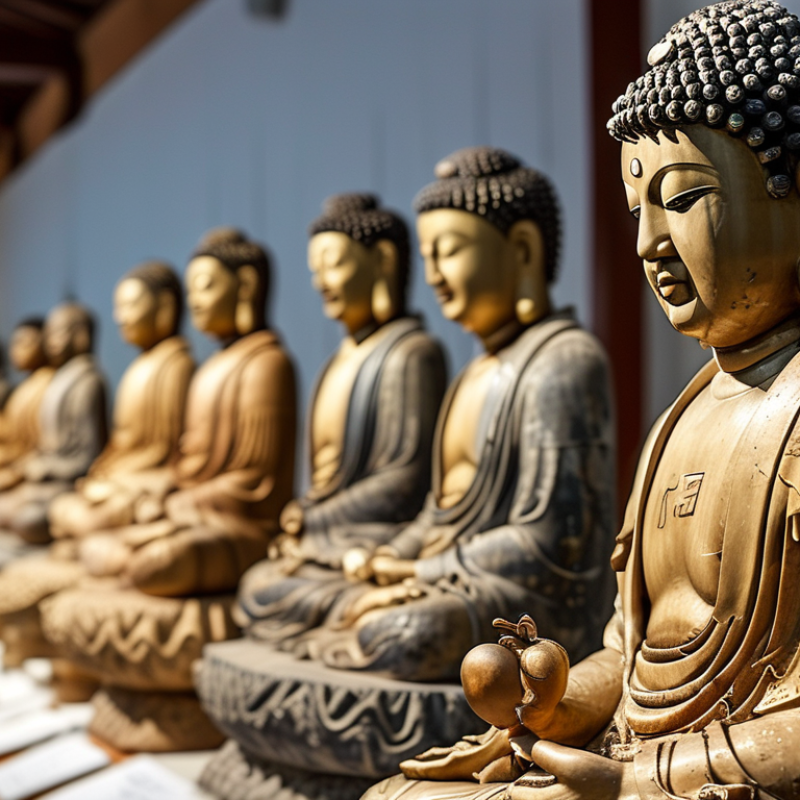
Shaolin Buddha artifacts carry deep historical significance. They reflect centuries of tradition and philosophy. Collectors often seek these pieces not just for aesthetics but for their rich stories. Many artifacts are tied to practices in meditation and martial arts. They embody the spirit of Zen and the quest for enlightenment.
Understanding Shaolin artifacts requires immersion in their context. Each piece tells a story of skilled craftsmanship and cultural heritage. From statues to prayer beads, the details matter. Look for authentic symbols and inscriptions that reveal their history. However, distinguishing genuine artifacts from replicas can be challenging. Many imitations exist, and discerning between them requires patience and knowledge.
Collectors must also consider the ethical aspects of sourcing. It is essential to acquire artifacts from reputable channels. The journey to find an authentic piece can reveal much about personal values and choices. Each artifact represents not just a purchase but a connection to a rich legacy. This understanding transforms mere collection into a meaningful practice.
When seeking authentic Shaolin Buddha artifacts, it’s essential to understand key features that signify genuineness. True Shaolin artifacts often display intricate craftsmanship. They may have specific marks or signatures that indicate their origin. Each piece tells a story, often referring to historical significance or spiritual purpose. Look for uneven surfaces or slight imperfections; these mark the human touch. Handmade artifacts embody the dedication of skilled artisans.
Examine the materials used. Authentic artifacts typically consist of wood, stone, or metal, each with specific qualities. The weight and texture can also provide clues. Real artifacts often feel more substantial than replicas. Pay attention to the colors and finishes as well; vibrant hues or finishes that seem intentionally worn could indicate authenticity. Yet, sometimes even experienced collectors can misidentify pieces due to the allure of perfect replicas.
Visit museums or galleries that specialize in Shaolin culture. Engaging with experts can deepen your understanding. They may highlight details you might have missed. Documenting your findings can help in your journey of collecting. Cultivating patience and skepticism will ultimately assist in acquiring genuine artifacts. Every discovery can be a lesson in appreciation and authenticity.
Finding genuine Shaolin Buddha artifacts requires careful consideration. Start by exploring local art galleries and Buddhist temples. These places often showcase authentic cultural relics. It's essential to check if they provide certifications of authenticity, ensuring that your purchase is legit. Visit craft fairs that focus on traditional Chinese art. Here, you might discover hidden gems from skilled artisans.
Online marketplaces can also be a source, but proceed with caution. Look for sellers with positive reviews and detailed item descriptions. Inspect high-resolution photos to assess craftsmanship. Engage with sellers to ask about the item's history. Authentic artifacts usually have a story behind them, adding to their value.
Networking within collector communities can yield valuable insights. Join forums or social media groups focusing on Buddhist art. Current collectors share experiences about sourcing genuine pieces, which can lead to trusted sources. Do not rush the process; the journey of finding authentic artifacts is as valuable as the items themselves.
Evaluating the condition of Shaolin Buddha artifacts is crucial for collectors. Look closely at the surface for signs of wear, repair, or restoration. Authentic pieces often show natural aging, such as slight discoloration or patina. These marks add character and testify to their history. A cracked or chipped artifact may still hold value, but it requires careful assessment. Understand how such imperfections impact the overall worth.
Determining value involves more than just condition. Research the provenance of each piece. Knowing its history can enhance appreciation and market value. Attend auctions, speak with experts, and tap into collector communities to gain insights. An artifact may be stunning but lacks documentation, affecting its appeal. Keep records of purchases, and take detailed photographs. This documentation will serve you well in negotiations or when appraising items.
Sometimes, the search for authenticity can feel overwhelming. You might encounter fakes or reproductions. This experience can be frustrating, but persistence is key. Stay aware of emerging trends in the collector's market. Adjust your criteria based on what you learn. Being open to revising your evaluations creates growth as a collector. Mistakes can be valuable lessons, leading you closer to the authentic Shaolin Buddha artifacts you seek.
The market for authentic Shaolin Buddha artifacts is both fascinating and complex. Collectors often face challenges when distinguishing genuine items from replicas. According to a report by the International Council of Museums, around 70% of artifacts in the market may not be authentic. This highlights the importance of vigilance when purchasing.
Navigating this market requires robust practices. Start by researching reputable appraisers or institutions specializing in Asian art. Many experts can provide insights based on years of study. Look for artifacts that come with provenance. Provenance is a historical record demonstrating an item's authenticity. Collectors should request detailed documentation before making a purchase.
Online platforms can be useful, but proceed with caution. Many listings may lack transparency regarding the item’s origin. The risk of counterfeit items is significant. According to a 2022 market analysis, 40% of collectors reported purchasing items they later discovered were not authentic. Engage with the collector community for reviews and recommendations on trustworthy sources. Always seek a second opinion when in doubt. This approach can help mitigate risks and ensure a more satisfying collecting experience.
: Shaolin Buddha artifacts reflect centuries of tradition and embody Zen spirit and enlightenment.
Collectors look for their aesthetic value and rich stories tied to meditation and martial arts.
Identifying genuine pieces requires knowledge, patience, and attention to details like symbols and inscriptions.
Start at local art galleries, Buddhist temples, and craft fairs focused on traditional Chinese art.
Always look for certifications of authenticity to ensure a legitimate purchase.
Yes, but proceed with caution; check seller reviews and item descriptions carefully before buying.
Each artifact represents connections to cultural heritage, adding deeper meaning to your collection.
It reflects personal values and ensures the preservation of cultural legacy.
Engage with sellers and ask about the item's history and craftsmanship for more clarity.
Yes, networking can provide insights and lead to trusted sources for authentic artifacts.
The article "How to Source Authentic Shaolin Buddha Artifacts for Collectors" provides a comprehensive guide for collectors interested in the spiritual and cultural significance of Shaolin Buddha artifacts. It begins by exploring the rich history and importance of these items, emphasizing their role in the Shaolin tradition. The article then highlights key features that help identify the authenticity of genuine Shaolin Buddha artifacts, ensuring that collectors can distinguish between true treasures and replicas.
Furthermore, it outlines trustworthy sources for acquiring these artifacts, giving collectors direction on where to look. Essential tips on evaluating the condition and value of artifacts are also discussed, aiding collectors in making informed purchasing decisions. Finally, the article presents best practices for safely navigating the market, ensuring a secure and rewarding collecting experience. Overall, it serves as a vital resource for both novice and seasoned collectors seeking to enhance their collections with authentic Shaolin Buddha artifacts.
