
In the world of Tiki Clay, understanding the best manufacturers can transform your buying experience. Tiki Clay is not just any pottery; it embodies culture, artistry, and craftsmanship. Buyers seek quality and authenticity in their products. Yet, with numerous manufacturers available, selecting the right one can be overwhelming.
This guide highlights the top ten Tiki Clay manufacturers for global buyers. These manufacturers are recognized for their expertise and reliability. Their unique collections reflect rich traditions and innovative design. Beyond aesthetics, these manufacturers ensure ethical practices and sustainable sourcing. However, choosing the best may still pose challenges. Each brand has its specifics that can lead to different results.
As a buyer, being informed is crucial. Your choices can shape your collections and enhance your decor. This industry is filled with both renowned names and emerging talents. Exploring the best options helps in making informed decisions. Dive into the world of Tiki Clay and discover the variety it offers.
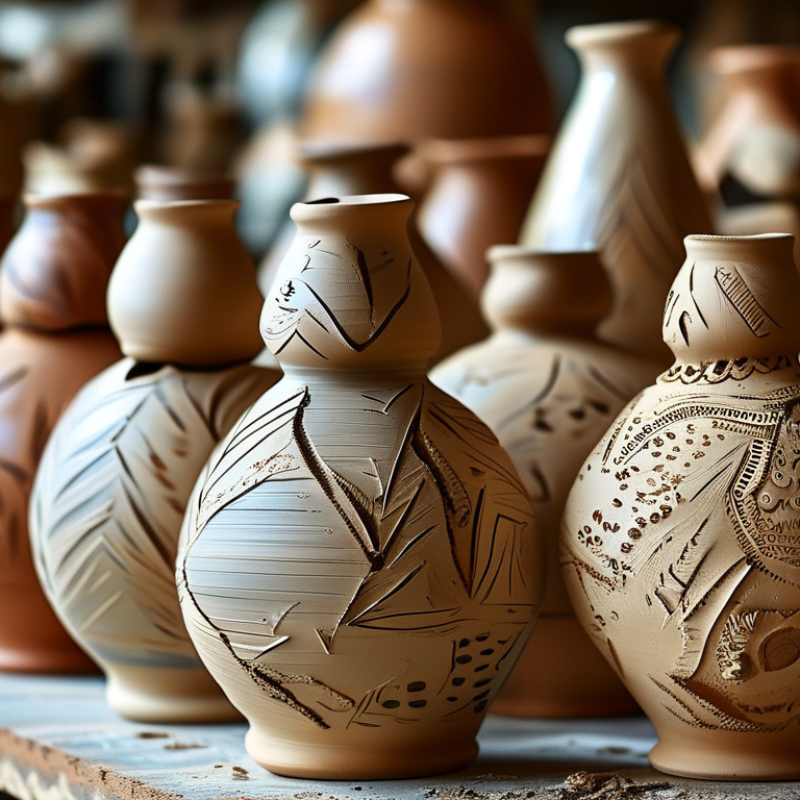
The Tiki clay industry is witnessing significant growth. In recent years, the global market for Tiki clay products has increased by approximately 15% per year. The rise in demand stems from a growing interest in unique home decor and outdoor aesthetics. This trend has made various manufacturers expand their production capabilities to meet consumer preferences.
In 2022, the market size for Tiki clay products reached around $1.2 billion. Experts predict it will exceed $2 billion by 2025. The increasing popularity of Tiki culture and its impact on social events have contributed to this surge. Additionally, there is a notable rise in online sales, allowing buyers to access a diverse range of products worldwide.
When buying Tiki clay items, consider the craftsmanship and material quality. Authentic and well-crafted products often stand out, enhancing your outdoor environment. Researching manufacturers’ reputations helps in ensuring you get reliable products. Pay attention to customer reviews as they reflect the quality of the offerings. Finally, appreciate that while the market is booming, not all producers maintain high standards. This highlights the necessity of discerning quality over quantity when making a selection.
The Tiki Clay market has shown a consistent growth trend over the past few years, with market size increasing from 50 million USD in 2020 to an estimated 130 million USD by 2024. This growth reflects rising demand globally, driven by both consumer interest and expanding production capabilities.
Tiki clay products boast unique characteristics that attract buyers worldwide. One key aspect is their versatility. These products can be used for various applications, such as home decor, gardening, and cooking. The natural clay offers an earthy aesthetic, fitting seamlessly into any setting.
Another benefit lies in their durability. Tiki clay is inherently resistant to cracking and chipping when properly maintained. This resilience makes it a long-lasting choice for consumers. The lightweight nature of these products also enhances their appeal. They are easy to transport and handle, perfect for both indoor and outdoor use.
Tips for selecting the right Tiki clay product include considering the intended use. Choose pots with drainage holes if you're planting. Opt for thicker walls for items exposed to harsh weather. Evaluate the finish, as some coatings can enhance durability. Understanding these nuances can lead to better purchasing decisions. While Tiki clay offers numerous benefits, it's crucial to be aware of maintenance needs to ensure longevity. Regular cleaning and protection from extreme temperatures can mitigate weathering. Embracing the beauty of imperfection, Tiki clay products become one-of-a-kind pieces that tell a story.
When exploring Tiki clay manufacturers, it's crucial to consider several key factors. Quality should be a top priority, as high-quality clay enhances the aesthetic and functionality of Tiki products. Many manufacturers offer a range of clay types, but not all ensure consistent quality throughout their production process. Buyers often find that variations in texture and finish can impact their final products.
Experience is another important consideration. Manufacturers with a long history in the industry often have refined their processes. They understand the nuances of working with Tiki clay, from sourcing raw materials to the final firing techniques. This expertise can significantly reduce production risks.
Lastly, assessing a manufacturer's reputation can provide insights into their reliability. Feedback from other buyers can reveal strengths and weaknesses in service and product quality. This shared knowledge helps in making informed decisions. Navigating the landscape of Tiki clay manufacturing requires diligence. Remember to look beyond simple price comparisons to find a provider that aligns with your quality and service expectations.
| Rank | Country | Annual Production (tons) | Market Share (%) | Export Capability (tons) |
|---|---|---|---|---|
| 1 | Vietnam | 12000 | 25 | 8000 |
| 2 | Indonesia | 10000 | 20 | 6000 |
| 3 | Thailand | 9000 | 15 | 4500 |
| 4 | Philippines | 8000 | 12 | 5000 |
| 5 | Malaysia | 7500 | 10 | 3000 |
| 6 | China | 7000 | 8 | 2500 |
| 7 | India | 6000 | 5 | 2000 |
| 8 | Japan | 5000 | 4 | 1500 |
| 9 | Brazil | 4000 | 3 | 1000 |
| 10 | Mexico | 3000 | 2 | 800 |
When selecting Tiki clay manufacturers, several evaluation criteria can significantly impact your purchasing decision. Quality consistency is paramount. Reports suggest that manufacturers should maintain a minimum of 90% adherence to quality standards. This ensures that products not only meet aesthetic requirements but also functional durability.
Price competitiveness also plays a vital role. Market analysis shows that the average pricing for Tiki clay varies between $2 to $5 per pound. Buyers should compare quotes while considering shipping fees and bulk discounts. Transparent pricing helps buyers avoid hidden costs later on.
Production capacity and lead time are crucial factors as well. Manufacturers capable of producing over 10,000 units monthly can better meet large orders while ensuring timely delivery. A strong supply chain with reliable logistics providers often minimizes delays and enhances buyer trust.
To improve your selection process, assess manufacturers' certifications thoroughly. Quality management and environmental standards are indicators of a reliable manufacturer. Verify their claims by requesting third-party audit reports.
Consider visiting production facilities if possible. On-site assessments allow buyers to gauge the manufacturing processes firsthand. These insights can reveal potential risks or inefficiencies in production. Always remember that establishing a long-term partnership requires diligence and careful evaluation.
Future prospects in Tiki clay production appear promising as manufacturers adopt innovative techniques. Recent studies indicate that the global Tiki clay market is projected to grow at a CAGR of 5% over the next five years. This growth is driven by increasing consumer demand for artistic and functional clay products.
Technological advancements play a key role in this evolution. Manufacturers are incorporating sustainable materials and eco-friendly processes. Recent reports highlight a rise in green clay products that meet environmental standards. This shift not only attracts eco-conscious consumers but also reduces waste in production.
However, challenges persist. Quality control remains an ongoing issue, and some manufacturers struggle with consistency. Moreover, the supply chain for raw materials can be unpredictable, impacting production timelines. Addressing these challenges will be crucial for sustained growth in the industry. Investing in better quality assurance measures may yield healthier returns in the long run.
: They can be used for home decor, gardening, and cooking, fitting seamlessly into any setting.
When properly maintained, they resist cracking and chipping, offering long-lasting use.
Yes, their lightweight nature makes them simple to handle for indoor and outdoor activities.
Think about intended use, drainage holes for planting, and the thickness of the walls.
Regular cleaning and protection from extreme temperatures can help extend their longevity.
Look for quality consistency, price competitiveness, production capacity, and lead time.
Very important; average prices range between $2 to $5 per pound, so compare quotes carefully.
Yes, assessing their quality and environmental standards reflects their reliability.
On-site assessments provide insights into manufacturing processes and potential inefficiencies.
This requires thorough evaluation and diligence throughout the selection process.
The article "Tiki Clay Top 10 Manufacturers for Global Buyers" provides a comprehensive overview of the Tiki Clay industry, highlighting its significant growth trends and the increasing demand for its products. Tiki Clay is renowned for its unique characteristics and numerous benefits, making it a popular choice among global buyers. The article identifies the top 10 manufacturers in the Tiki Clay market, offering insights into their strengths and contributions to the industry.
Furthermore, it outlines essential evaluation criteria for selecting Tiki Clay manufacturers, ensuring that buyers can make informed decisions. The future prospects and innovations in Tiki Clay production are also discussed, emphasizing the potential for enhanced applications and sustainable practices. Overall, the article serves as a valuable resource for those interested in exploring the Tiki Clay market and its leading producers.
