
What Are the Top 10 Bonfire Heater Types for Buyers?

Time:2026-10-20 Author:Aria
0%

The Bonfire Heater market is expanding as homeowners seek warmer patios, gardens, terraces, and outdoor hospitality spaces. Grand View Research identifies outdoor heating as a growing global category, supported by residential renovation, restaurant expansion, and longer outdoor-use seasons. Its market analysis also points to fuel efficiency, portability, and cleaner operation as important purchasing factors.

This guide examines ten Bonfire Heater types, including propane fire pits, natural-gas burners, wood-burning models, ethanol units, electric infrared heaters, pellet heaters, tabletop designs, and built-in systems. Each type creates a different experience. A propane model may deliver quick heat beside a sofa. A wood-burning pit offers crackling flames, but smoke, ash, storage, and local restrictions require attention. Heat is not enough.

The National Fire Protection Association reports that heating equipment remains a major contributor to residential fires in the United States. NFPA’s former vice president of Outreach and Advocacy, Lorraine Carli, has stated, “Heating equipment is the second leading cause of home fires and home fire deaths.” That warning belongs in every buying discussion.

Manufacturers often highlight maximum heat output, yet real comfort depends on wind, seating distance, fuel quality, and maintenance. That detail is easy to miss. Buyers should compare safety controls, ventilation needs, ignition systems, warranties, operating costs, and installation requirements. The U.S. Department of Energy also emphasizes efficiency and proper equipment selection when evaluating heating technologies.

Some comparisons remain imperfect because outdoor conditions vary sharply. Still, this overview creates a practical starting point for choosing a Bonfire Heater that fits the space, climate, budget, and daily habits.
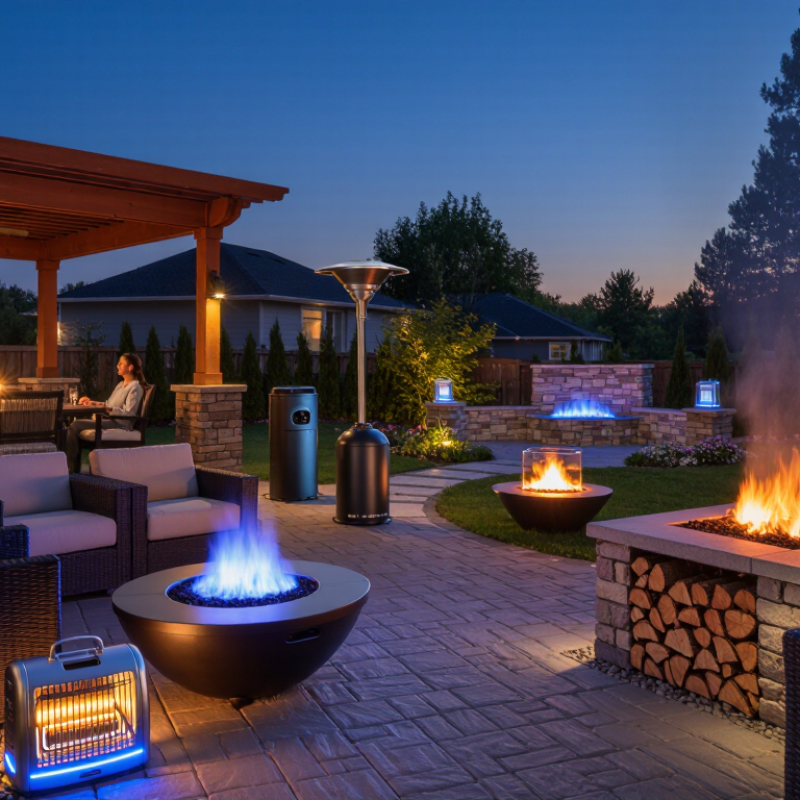
What Are the Top 10 Bonfire Heater Types for Buyers?

Bonfire Heater Basics: How the Main Types Differ

Bonfire heaters vary mainly by fuel, heat pattern, mobility, and installation needs. A traditional wood-burning fire pit gives crackling flames and strong radiant heat, but smoke direction can change quickly. A smokeless wood fire pit uses engineered airflow to reduce visible smoke, although it still needs dry wood and outdoor clearance. A propane fire pit starts easily and offers adjustable heat. Its portable tank may interrupt the appearance. A natural-gas fire pit connects to a fixed line and suits permanent patios, but professional installation is usually necessary.

A fire pit table combines a heating burner with a usable tabletop. It works well around low outdoor seating. A tabletop fire bowl is smaller and easier to relocate, though its heating reach is limited. A chiminea sends much of its warmth forward through a narrow opening, while its chimney directs smoke upward. A patio heater tower spreads heat vertically and often uses propane or electricity. Electric infrared heaters produce focused warmth without an open flame, making them practical near covered seating when the electrical setup is suitable. A bioethanol burner creates a clean-looking flame and simple placement, but fuel capacity and wind can restrict heating performance.

Real use reveals trade-offs. Wind matters more than many product charts suggest. A heater that feels powerful beside a wall may disappoint in an open yard. Measure seating distance, check ventilation, and keep combustible furniture away. I once underestimated radiant heat near a stone surface; the chairs became uncomfortable before the air felt warm. Fuel storage, ignition access, weather resistance, and maintenance deserve equal attention. Some “smokeless” designs still release smoke during startup or damp burns. That detail is easy to miss.

Wood-Burning Bonfire Heaters for Traditional Outdoor Warmth

What Are the Top 10 Bonfire Heater Types for Buyers?
Wood-Burning Bonfire Heaters for Traditional Outdoor Warmth

Wood-burning bonfire heaters bring a crackling fire, visible flames, and a natural outdoor atmosphere. Buyers can choose from ten practical forms: open fire pits, steel bowls, chimineas, fire tables, fire columns, portable pits, smokeless pits, masonry fireplaces, fire baskets, and rocket-style heaters. Each design produces warmth differently. Open pits spread heat widely, while chimineas direct warmth toward seated guests. Fire tables combine heating with a useful surface for drinks.

Material affects performance. Cast iron stores heat well but needs protection from rust. Stainless steel handles changing weather better and usually weighs less. Thick masonry holds warmth for longer, although installation requires more space. A raised fire basket improves airflow beneath the logs. Smokeless designs can reduce visible smoke, but they do not remove every emission. Dry, seasoned hardwood burns more steadily than damp wood.

Think about wind, seating distance, storage, and local outdoor-fire rules. Use a stable, non-combustible surface and keep a spark screen nearby. Never place a wood-burning heater under a low roof or beside dry plants. A common buyer mistake is choosing flame height over heat direction. I have also seen people underestimate ash cleanup. It matters. Measure the area carefully, because a heater that looks modest online may dominate a small patio. The best choice is not always the largest one.

What Are the Top 10 Bonfire Heater Types for Buyers? - Wood-Burning Bonfire Heaters for Traditional Outdoor Warmth

No. Heater Type Typical Construction Fuel Heat Distribution Typical Burn Duration Portability Best Suited For Main Buying Consideration
1 Wood-Burning Fire Pit Bowl Steel, stainless steel, or cast iron bowl with an open top Seasoned firewood and kindling Radiant heat spreads broadly around the fire 2–5 hours per load Medium; some models include handles or a base Backyards, patios, and casual social gatherings Choose a stable bowl with drainage holes, a spark screen, and sufficient diameter for the intended group size
2 Wood-Burning Fire Pit Table Metal fire basin integrated into a raised table frame Small to medium split logs Radiant heat with a convenient tabletop perimeter 2–4 hours per load Low to medium; generally designed to remain in place Patios where dining, drinks, and warmth are needed together Check table height, heat-resistant surfaces, ash access, and clearance from furniture
3 Chiminea Enclosed clay, cast iron, or steel body with a narrow chimney Small seasoned logs and kindling Mostly directional heat from the front opening 1.5–4 hours per load Medium; smaller units can be repositioned when cool Compact patios, balconies where permitted, and sheltered outdoor areas Look for a stable base, weather protection, suitable chimney height, and a fire opening that is easy to tend
4 Wood-Burning Fire Ring Steel or stone ring surrounding an open ground-level fire Seasoned logs and branches where legally permitted 360-degree radiant heat with an unobstructed flame view 3–8 hours per load High for steel rings; low for permanent stone installations Campgrounds, large gardens, and traditional bonfire settings Prioritize spark control, ground protection, local fire rules, and adequate distance from combustible materials
5 Outdoor Wood-Burning Fireplace Brick, stone, concrete, or prefabricated metal firebox with a chimney Seasoned split firewood Directed radiant heat toward the front seating area 4–8 hours per load Very low; usually a permanent installation Outdoor rooms, covered entertaining areas, and long-term landscaping projects Installation, chimney design, ventilation, foundation requirements, and local building regulations are critical
6 Outdoor Wood Stove Enclosed steel or cast-iron firebox connected to a flue pipe Split firewood or compact wood pieces Radiant heat from the stove body plus warm air around the flue 4–10 hours per load Medium to low, depending on size and flue system Covered but well-ventilated outdoor spaces and work areas Verify flue clearance, heat shielding, door seals, ash removal, and use only in spaces with adequate ventilation
7 Rocket-Style Wood Heater Insulated combustion chamber and chimney using steel or masonry components Small, dry wood pieces and kindling Strong directional heat, often concentrated near the thermal mass or exhaust area 1–4 hours per loading cycle Low to medium; many are built as fixed installations Fuel-efficient outdoor heating projects and sheltered garden seating areas Construction quality, safe exhaust routing, insulation, and correct operation are more important than decorative appearance
8 Smokeless-Design Wood Fire Pit Double-wall steel body with secondary-air openings for additional combustion Dry, well-seasoned firewood Broad radiant heat with a concentrated flame column 2–5 hours per load Medium to high, depending on diameter and handles Patios and yards where reduced visible smoke is desirable Performance depends on dry fuel, airflow, loading technique, and sufficient ventilation; it is not smoke-free
9 Portable Camping Wood Heater Compact steel or titanium body with a detachable stovepipe Small dry logs or split wood Focused radiant heat from the stove body 1–4 hours per load High when disassembled and packed Open-air campsites and purpose-built, ventilated shelters Use only with a compatible flue, heat shield, spark arrestor, and adequate clearance; never use in an unventilated room
10 Masonry Thermal-Mass Heater Heavy brick, stone, concrete, or ceramic structure designed to store heat Dry seasoned firewood Gentle, prolonged radiant heat from the heated mass 6–12 hours of residual warmth after firing Very low; normally a permanent structure Large outdoor living areas and long-term architectural installations Requires substantial space, structural planning, a properly designed flue, and professional construction in many locations

Typical figures are general buyer-planning ranges. Actual performance varies with heater size, wood moisture, weather, airflow, loading method, and local installation requirements.

Gas, Propane, and Natural Gas Bonfire Heater Options

What Are the Top 10 Bonfire Heater Types for Buyers?

For buyers comparing gas, propane, and natural gas options, ten common heater types stand out: tabletop, fire pit, fire bowl, mushroom, tower, portable cart, wall-mounted, hanging, built-in, and infrared models.

Propane suits renters and movable seating areas. A standard cylinder can fuel a portable heater without construction work. The U.S. Energy Information Administration reports propane contains about 91,500 British thermal units per gallon. That high energy density supports strong outdoor heat in compact equipment.

Natural gas works better for permanent patios with an existing utility connection. It avoids cylinder changes, but installation requires suitable piping, ventilation, and professional inspection.

EIA’s 2020 Residential Energy Consumption Survey found natural gas heated about 47% of U.S. homes, showing its established household infrastructure. Still, household use does not guarantee easy outdoor installation. Local conditions matter.

Infrared and tower designs direct heat toward people, while fire bowls spread warmth and visible flame more broadly. The U.S. Department of Energy notes infrared heating transfers energy directly to nearby surfaces and occupants. That can feel efficient during a cool evening, though wind reduces comfort.

NFPA 58 provides safety guidance for liquefied petroleum gas systems, including cylinder handling and separation distances.

I would not rank one fuel as universally best. A covered balcony, open garden, and restaurant patio need different answers.

My practical mistake would be judging heat output alone; fuel access, wind exposure, clearance, and maintenance deserve equal attention.

Electric, Infrared, and Portable Bonfire Heater Designs

What Are the Top 10 Bonfire Heater Types for Buyers?

Electric, infrared, and portable designs now shape the bonfire heater market. My practical top ten are electric flame heaters, infrared tower heaters, halogen heaters, carbon infrared heaters, ceramic heaters, fan-assisted heaters, wall-mounted heaters, tabletop heaters, propane-style portable heaters, and battery-powered units. Each design solves a different outdoor problem. A tower model spreads warmth across seated guests, while a tabletop heater keeps heat near a small dining area. Small details matter. Wind can quickly weaken exposed warmth.

The U.S. Department of Energy explains that infrared heaters warm people and objects directly, rather than heating surrounding air first. This makes infrared useful for patios with frequent door opening. Halogen elements respond quickly, while carbon elements often provide softer radiant heat. Ceramic and fan-assisted models distribute warmth more broadly, but their moving air may feel uncomfortable in cold drafts. The International Energy Agency’s Energy Efficiency 2023 report identifies buildings as responsible for about 30% of global final energy demand, making efficient heat placement increasingly important. Electric models also avoid on-site combustion, an advantage for enclosed or semi-enclosed areas.

Portable designs include tabletop, freestanding, battery-powered, and compact wheeled heaters. Portability sounds simple. It is not. Buyers should check base stability, weather resistance, cable length, controls, and automatic shutoff. Battery units offer quiet placement, yet runtime can disappoint during long evenings. My ranking is imperfect because climate, electricity prices, patio size, and wind exposure change the result. A lower-powered infrared heater may outperform a larger fan heater beside a damp garden wall.

How to Compare the Top Ten Bonfire Heaters for Buying Decisions

Choosing among the top ten bonfire heater types requires more than comparing heat output. Buyers should examine fuel, coverage, ventilation, controls, and installation demands. Common options include propane mushroom heaters, electric infrared units, tabletop heaters, pyramid models, wall-mounted panels, ceiling-mounted heaters, natural-gas posts, chimineas, smokeless wood-fire pits, and hybrid designs.

Grand View Research valued the global outdoor heating market at about USD 1.7 billion in 2023 and forecasts continued growth through 2030. That expansion reflects wider residential and hospitality use, but market growth does not guarantee equal performance. Compare the manufacturer’s tested heating area, not only its advertised wattage. Electric infrared models suit covered patios and deliver focused warmth. Propane units offer mobility, though fuel replacement and wind resistance affect running costs. Wood-burning designs create stronger ambience but require more cleanup, clearance, and smoke management.

Look closely at real buying conditions. A windy terrace may defeat a tall flame heater. A small balcony may need a low-clearance electric panel. Energy use should be measured per hour, then multiplied by expected seasonal use. NFPA heating-equipment reports record tens of thousands of residential heating fires annually, although those figures are not specific to outdoor bonfire heaters. They still support careful clearance and supervision. My practical mistake was comparing heat radius before checking the power supply. That reversed the shortlist. Safety certification, tip-over protection, weather resistance, and accessible controls deserve equal weight. Cheap is not always efficient.

FAQS

What types of outdoor bonfire heaters can buyers choose from?

Options include fire pits, steel bowls, chimineas, fire tables, columns, baskets, and masonry fireplaces. Portable, smokeless, and rocket-style designs are also available.

Which wood-burning heater spreads warmth most widely?

Open fire pits usually spread heat across a broad seating area. Chimineas direct warmth toward guests sitting in front. Fire direction matters more than flame height.

Which materials work well for wood-burning heaters?

Cast iron stores heat effectively but needs protection from rust. Stainless steel handles changing weather and weighs less. Thick masonry stays warm longer but requires more space.

How can buyers reduce smoke from a wood-burning heater?

Use dry, seasoned hardwood and provide strong airflow beneath the logs. Raised baskets improve airflow. Smokeless designs can reduce visible smoke, but they do not remove every emission.

Where should a wood-burning heater be placed?

Set it on a stable, non-combustible surface. Keep it away from low roofs, dry plants, and crowded walkways. Leave enough room for safe seating and ash removal.

How do infrared heaters warm outdoor users?

Infrared heaters warm people and nearby objects directly. They can work well when doors open frequently. A smaller infrared unit may outperform a larger fan heater near a damp wall.

What should buyers check before choosing a portable heater?

Check base stability, weather resistance, cable length, controls, and automatic shutoff. Battery models offer quiet placement but may disappoint during long evenings. Portability is not effortless.

Should buyers choose the largest heater available?

Not always. Measure the patio, seating distance, wind exposure, and storage area first. A large heater may overwhelm a small patio and create difficult ash cleanup. My ranking remains imperfect because climate and electricity costs change the result.

Conclusion

Choosing the right Bonfire Heater begins with understanding how each type produces heat, uses fuel, and fits different outdoor settings. Wood-burning models offer a traditional fire experience, natural warmth, and a lively atmosphere, but they require fuel storage, regular tending, and proper ventilation. Gas options using propane or natural gas provide adjustable heat and convenient ignition, making them practical for patios and gatherings. Electric, infrared, and portable designs are often easier to operate, cleaner, and more flexible, especially where open flames or fuel storage may be inconvenient.

When comparing the top ten Bonfire Heater options, buyers should consider heating coverage, fuel availability, operating cost, portability, controls, weather resistance, safety features, and maintenance needs. It is also important to match the heater’s size and output to the intended space and confirm that installation and use follow local requirements. By balancing comfort, convenience, appearance, and long-term practicality, shoppers can select a heater that delivers reliable outdoor warmth while supporting safe and enjoyable use.

Aria

Aria

Aria is a dedicated marketing professional with a deep passion for innovative strategies and a keen understanding of our company's product offerings. With a wealth of experience in the industry, Aria excels at crafting engaging content that highlights the unique features and benefits of our......