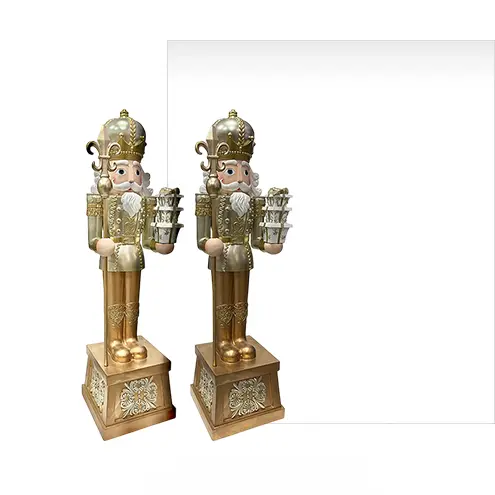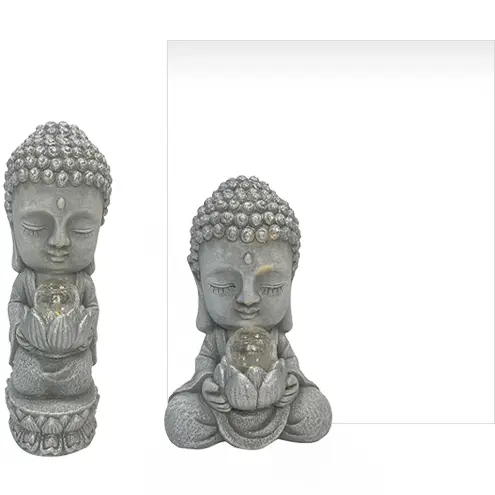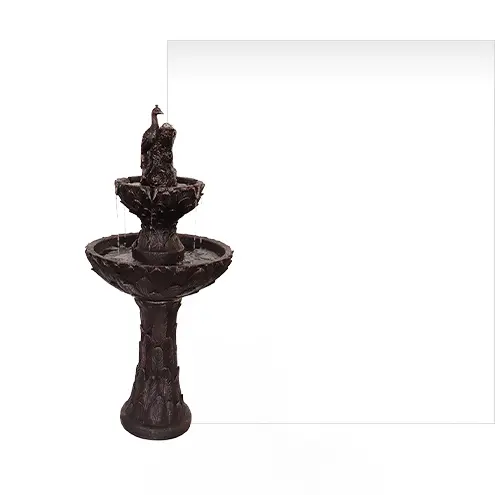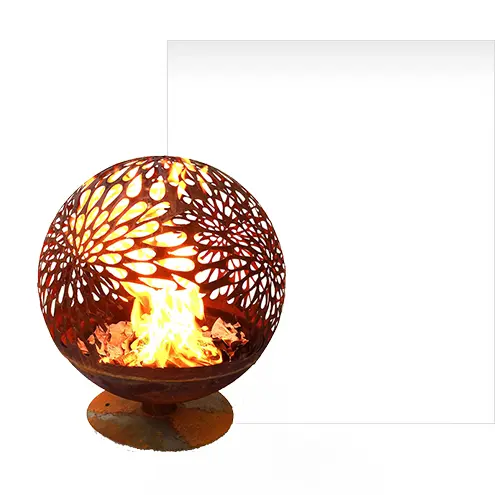
A curated collection of engineered outdoor figurines, seasonal statement pieces, and lightweight composite structures.
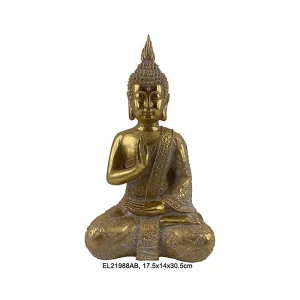
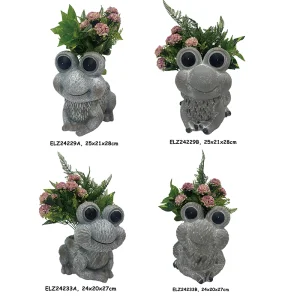
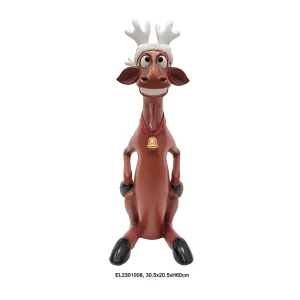
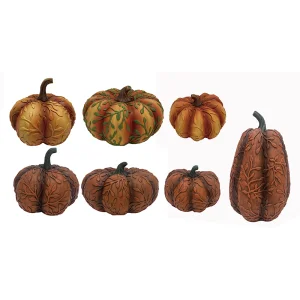
In modern architecture, landscape design, and hospitality, the demand for experiential outdoor structures has escalated significantly. Historically associated with mid-century Polynesian-themed establishments, modern outdoor tiki statues have transformed into standard options for theme parks, luxury seaside resorts, beach clubs, and residential landscaping projects. This resurgence is supported by global consumer demand for escapist design elements, combined with architectural strategies aimed at increasing visual interaction.
According to market data, the global thematic outdoor decor industry has experienced steady compound growth over the past decade. Importers and distributors are focusing on material innovations that can withstand diverse weather conditions while maintaining authentic textures. The market has shifted from traditional, heavy wood-carved tiki poles—which are vulnerable to wood rot, termite infestation, and split damage—toward engineered polyresin composites, lightweight cement, and magnesium oxide (MGO) fiber clay.
For global importers and B2B buyers, sourcing these products requires a clear understanding of material sciences, supply chain logistics, and compliance standards. This document outlines the manufacturing processes, quality metrics, and supply advantages of sourcing outdoor tiki statues from verified Chinese suppliers.
B2B buyers—ranging from large retail chains like Home Depot, Target, and Costco to commercial builders, resort developers, and specialized garden centers—face specific challenges when sourcing bulk order statuary. These problems typically relate to three main factors: material durability under thermal stress, weight-to-volume shipping ratios, and regulatory safety compliance.
Statues placed in outdoor environments must withstand heavy rain, freezing temperatures, high winds, and solar radiation. Traditional concrete is prone to cracking in freezing temperatures, while cheap plastic fades and becomes brittle. Standardizing raw material compositions with magnesium oxide (MGO) or premium fiber clay ensures products can resist thermal expansion and contraction, preventing structural issues.
Choosing the right material is critical when planning commercial or retail projects. The table below compares the four most common options used for outdoor statues:
| Material Type | Avg. Density & Weight | Impact Resistance | Weatherability (UV / Frost) | Prototyping Complexity |
|---|---|---|---|---|
| Traditional Wood | High (Varies) | Moderate | Low (Subject to rot/cracking) | Very Low (Manual carving only) |
| MGO Fiber Clay | Light to Medium | High (Reinforced glass fiber) | Excellent (Frost-proof, fireproof) | High (Uses custom industrial molds) |
| Polyresin Composite | Medium | Excellent | Very High (With UV sealants) | Excellent (Fine details) |
| Cast Concrete | Extremely High | Low to Moderate | Moderate (Subject to spalling) | Low (Heavy and difficult to cast) |
Due to their height and volume, statues are vulnerable to damage during transit. The packaging design must prevent structural failures, corner chipping, and surface scratches. Reliable suppliers use custom molded EPS foam packaging, inner corrugated supports, and heavy-duty outer cartons, verified through international transit drop testing (e.g., ISTA 1A or 3A standards).
The southeastern coast of China, particularly the industrial clusters of Xiamen, Fujian province, is a global hub for polyresin, fiber clay, and garden fountain manufacturing. Mr. Lai, the founder of our factory, has over 20 years of experience in managing resin chemistry, complex sculpting, and kiln firing dynamics. This background has guided our transition into a modern production facility since our official launch in 2010.
Modern manufacturing (Industry 4.0) in our facility balances traditional craftsmanship with technology. We use 3D printing and digital modeling for initial prototyping alongside manual clay modeling, allowing us to reduce sample turnaround times from weeks to days.
Once a tiki design is approved by our clients, we utilize fiberglass-reinforced master molds. This approach maintains design detail consistency across large batches. Our multi-stage curing chambers control humidity and temperature, optimizing tensile strength and avoiding internal stress fractures in MGO products.
Additionally, our proximity to Xiamen Port provides shipping advantages, helping to reduce inland transportation costs and minimize handling risks during transit.
Integrating over 20 years of specialized manufacturing experience with reliable client service.

With over 20 years of experience in resin products, our skilled craftsmen create each piece with attention to detail, resulting in unique designs that stand out in the market.

We offer a diverse selection of home decorations, garden statues, and more, in various sizes. We specialize in custom orders, ensuring our customers' specific needs are met with the best solutions.

Our dedicated team prioritizes customer satisfaction, handling inquiries and concerns promptly. We value customer feedback and continuously improve our products and services to meet their evolving needs.

We adhere to strict quality standards throughout our production processes. Each piece undergoes thorough inspection, ensuring not only aesthetic appeal but also durability and longevity.
Outdoor tiki statues are versatile design elements used to establish identity, define spatial layouts, and create specific visual aesthetics. We support several key application scenarios:
For beach resorts, tiki bars, outdoor event spaces, and water parks, large statues function as primary focal points. Incorporating features like internal LED lighting pathways, integrated water fountains, or gas-fueled torch tops can improve the guest experience and support social media visibility.
In residential design, home builders and landscaping firms utilize tiki elements to create private, tropical-themed pool areas. Using MGO-formulated products is beneficial here, as they resist pool chemical exposure, humidity, and salt spray without degrading.
For home-improvement stores and garden centers, offering lightweight, durable statues is important for driving seasonal sales. We supply custom packaging, POP display concepts, and barcode labeling to integrate with retail distribution networks.
High-durability garden fixtures, wall panels, and holiday decor crafted to international standards.
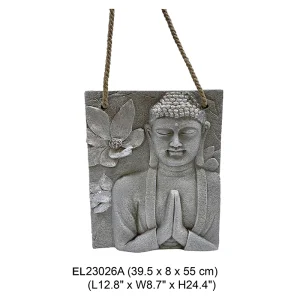
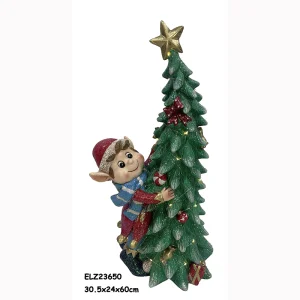
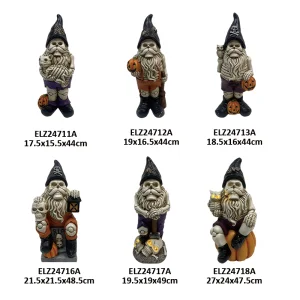
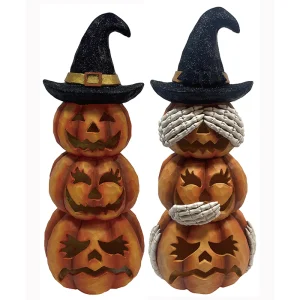
This FAQ section addresses common technical, logistical, and material queries from global buyers.
Fiber Clay (predominantly Magnesium Oxide or MGO) uses inorganic compounds reinforced with fiberglass mesh, creating a strong, lightweight concrete-like material. It is highly resistant to frost, fire, and heat stress. Polyresin, on the other hand, is a petroleum-derived liquid synthetic resin combined with powdered stone fillers. Polyresin allows for more intricate detail and complex paint finishes, making it suitable for smaller, highly detailed sculptures, whereas MGO is ideal for larger, heavy-use outdoor planters and statues.
We apply an automotive-grade acrylic UV-inhibiting clear coat after the hand-painting process. Additionally, the pigments used in our paint formulations are outdoor-grade. This treatment reduces UV light damage, which can cause surface peeling and color fading, helping to maintain the finish for multiple seasons under typical sun exposure.
For new custom designs, the standard development time is 10 to 15 days. This process includes creating the initial 3D digital rendering, hand-sculpting the master clay design, fabricating the silicone production mold, casting the first sample, and hand-painting the model. Mass production typically requires 45 to 60 days from final sample sign-off and deposit receipt.
Each statue is packed in a custom-molded Expanded Polystyrene (EPS) form that matches its shape. The foam is encased in a double-wall corrugated shipping carton. For large-scale orders or heavier items, we place the cartons on wooden pallets and wrap them in stretch film. This process is designed to comply with international ISTA transit safety standards.
Yes. All our production materials—including base resin blends, fiberglass, magnesium oxide compounds, and surface paints—meet EU REACH regulations, California Proposition 65 requirements, and US ASTM standards. We regularly send our materials to third-party testing organizations (like SGS or TÜV Rheinland) for independent chemical and safety testing.