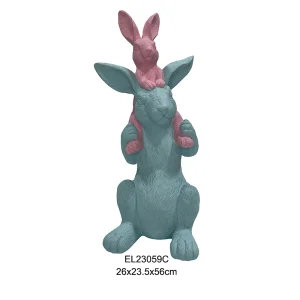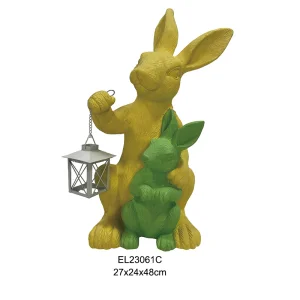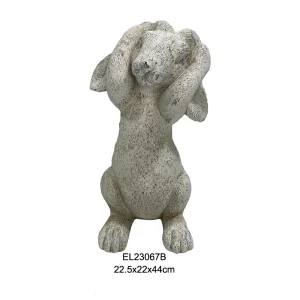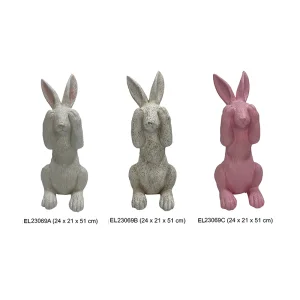

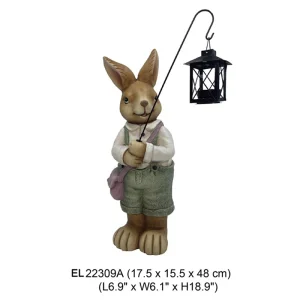
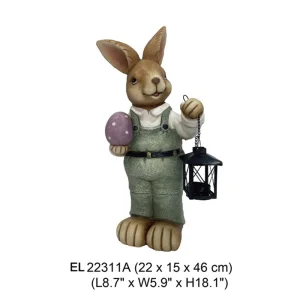
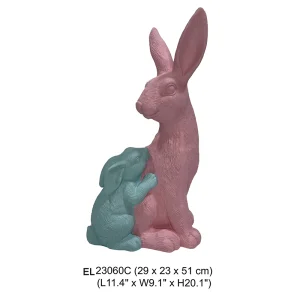
The Philippine Festive Retail & Commercial Landscape for Seasonal Artistry
In the Asia-Pacific region, the Philippines stands as a unique, highly vibrant consumer market for seasonal decorations. Driven by strong cultural traditions and a fast-expanding hospitality sector, commercial districts from Bonifacio Global City (BGC) to upscale resorts in Boracay and Cebu invest heavily in thematic visual merchandising. Easter is a key season that triggers massive visual transformations across retail complexes, real estate developments, and tourist destinations.
However, importing and deploying large-scale outdoor decorations in the Philippines poses unique challenges. The local maritime climate exposes outdoor exhibits to intense UV radiation, high humidity, and sudden monsoon downpours. Conventional materials like plaster or standard plastic degrade rapidly under these conditions. Consequently, commercial procurement teams are shifting toward industrial-grade Fiberclay and reinforced Resin composite materials. These composites deliver the authentic textures of stone and clay but offer the structural durability needed for heavy-traffic public spaces.
Global Supply Chain Dynamics and Sourcing Mechanics
For B2B buyers, sourcing seasonal decor directly from specialized industrial hubs like Xiamen, China offers significant scale and cost advantages. As a primary shipping corridor, the route from Xiamen Port to Manila North Harbor handles high volumes of maritime cargo, with transit times ranging from 5 to 7 days. This quick turnaround allows domestic importers to optimize inventory levels and adjust orders to match shifting market demand.
Leveraging trade frameworks like the China-ASEAN Free Trade Area (ACFTA) further helps Philippine buyers minimize tariff costs. Importers can secure preferential duties by obtaining Form E Certificates of Origin. When working with qualified manufacturers, sourcing teams can ensure that packaging protocols (such as ISTA-1A drop tests and moisture-resistant vapor barrier wrapping) are integrated directly at the factory level. This prevents shipping damage and reduces transit losses.